
On the Shoulders of Giants
The Irish Republican tradition did not emerge overnight or in isolation. It was shaped over generations by thinkers, writers and activists whose ideas continue to influence political debate today.
This section gathers writings of major figures in that tradition, providing links to some of their speeches, letters, essays, books and pamphlets so they can be read with convenience. Some months and estimated years are included for the sake of chronology.
A significant portion of the material referenced in this section has been sourced from cartlann.org, an extensive and invaluable digital archive of writings relating to Irish political history. Its work in preserving and making accessible these texts has greatly contributed to the development of this ongoing project.
Glór na Poblachta
Key figures in the development of Irish Republican political thought.
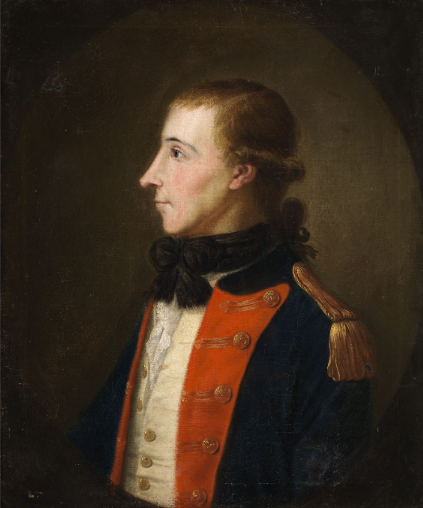
Theobald Wolfe Tone (1763-1798)
Commonly regarded as the father of Irish Republicanism and a leading figure in the Society of United Irishmen. Tone argued that Ireland could only achieve freedom through unity between Catholic, Protestant and Dissenter in pursuit of an independent Irish Republic.
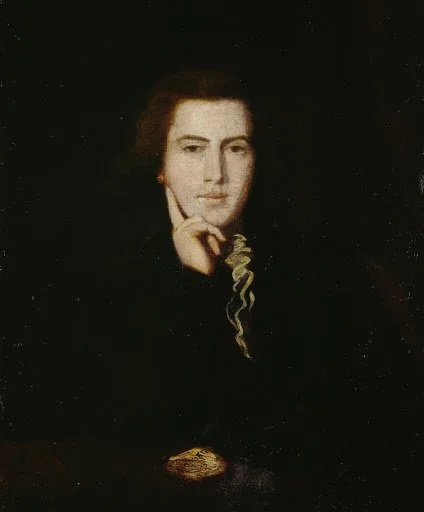
William Drennan (1754-1820)
Founding figure of the United Irishmen and an early architect of Irish Republican thought, Drennan helped articulate the principle of a non-sectarian Irish nation rooted in civil and religious liberty.
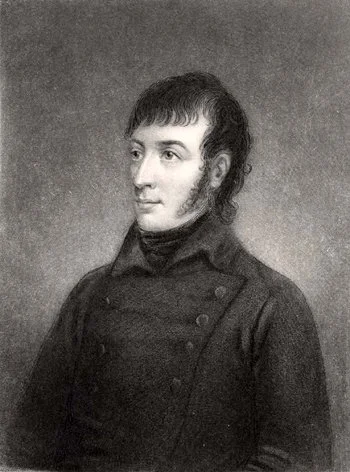
Thomas Russell (1767-1803)
A United Irishman organiser, Russell was a key figure in spreading radical Republican ideas into Catholic circles. A committed advocate of equality and national independence, as well as the abolition of slavery, he combined political theory with practical revolutionary work in the years leading up to 1798 and 1803.
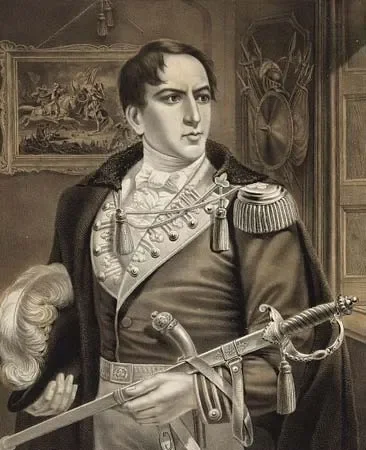
Robert Emmet (1778-1803)
Irish revolutionary and leader of the 1803 uprising, who sought to revive the cause of the United Irishmen after the rebellion of 1798. His famous speech from the dock became a defining statement of Irish Republican resolve and the struggle for national independence.
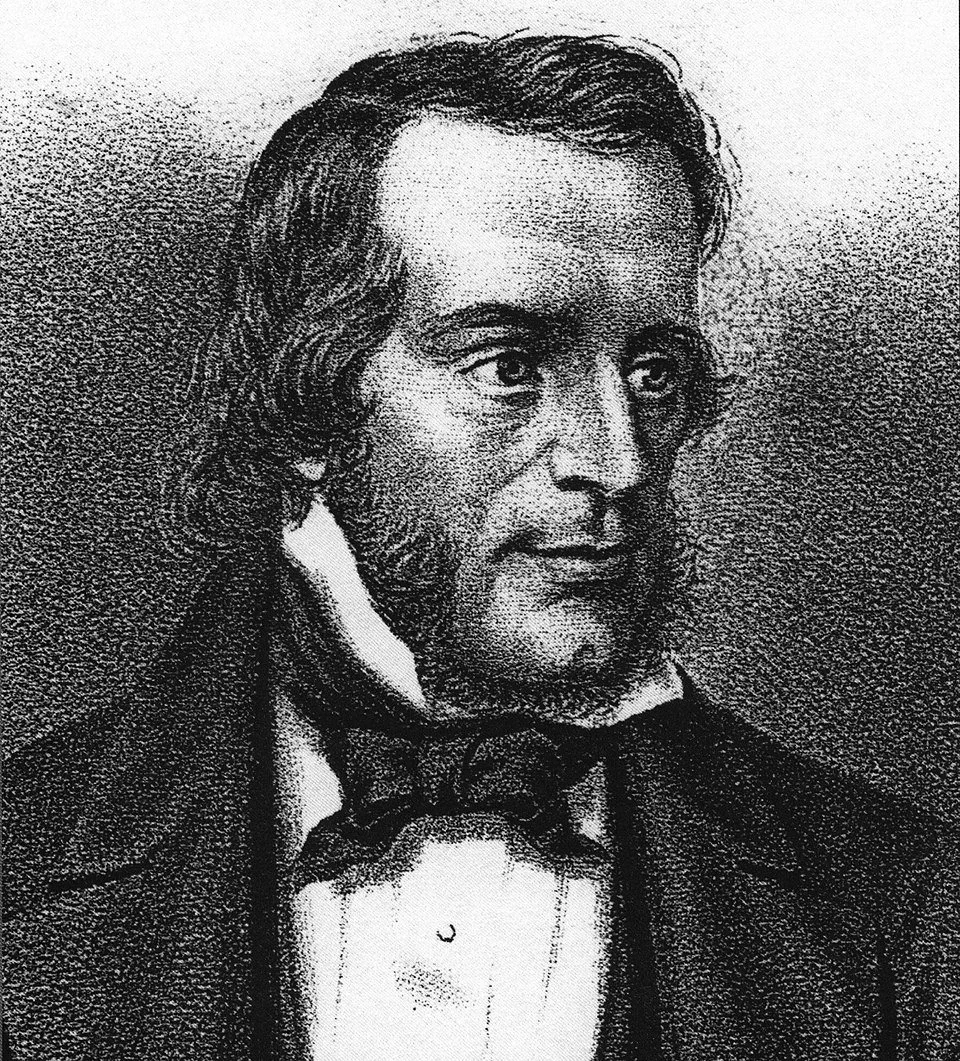
Thomas Davis (1814-1845)
Irish writer, poet and political thinker associated with the Young Ireland movement. Through his work with The Nation newspaper, Davis helped develop a cultural vision of Irish nationality that emphasised history, language and shared identity as foundations for national independence.
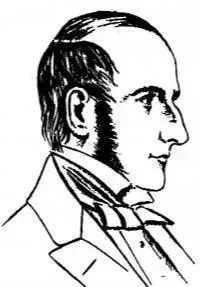
James Fintan Lalor (1807-1849)
Young Ireland writer and political theorist who argued that Irish independence must be rooted in control of the land by the Irish people. Lalor’s writings combined national liberation with agrarian radicalism and later influenced the Republican and socialist strands of Irish political thought.
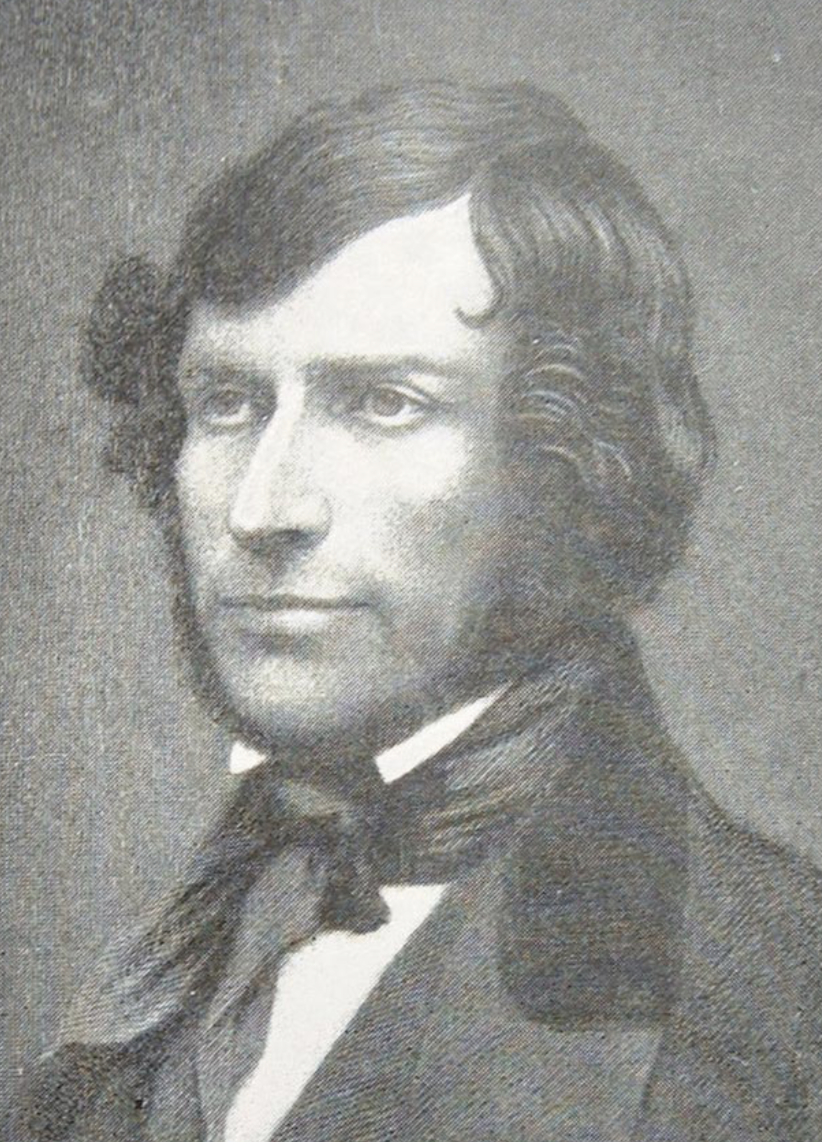
John Mitchel (1815-1875)
Young Ireland journalist and revolutionary writer who gave Irish Republicanism one of its clearest arguments for uncompromising resistance to British rule. Through The United Irishman and later works like Jail Journal, he advanced a doctrine of national liberation grounded in moral defiance and the necessity of physical force. His writings, particularly on the Great Hunger, shaped later separatist and Fenian Republican thought, as well as that of the present day.
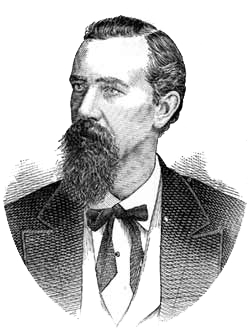
Jeremiah O’Donovan Rossa (1831-1915)
Leading Fenian and one of the most uncompromising figures in Irish Republican history. He devoted his life to the cause of Irish freedom, enduring imprisonment and exile rather than abandon his principles. From Ireland to America, he continued the struggle against British rule, refusing to recognise its authority. In his defiance and perseverance, O’Donovan Rossa embodied a Republicanism that would accept no compromise.
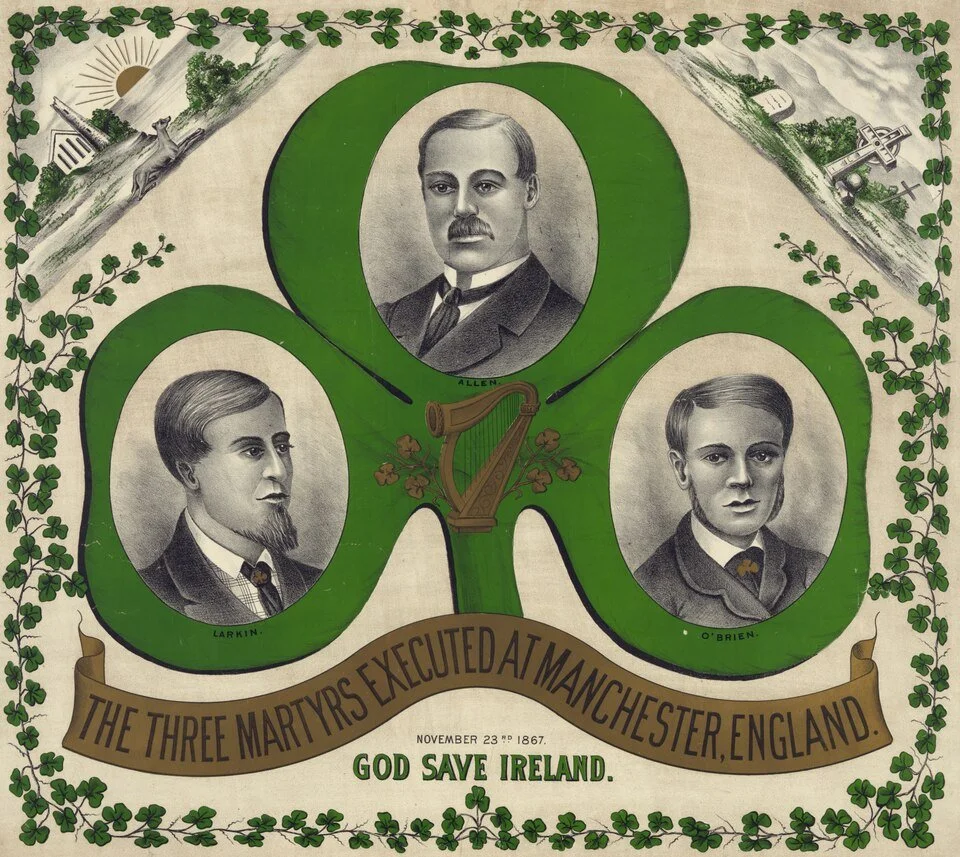
The Manchester Martyrs (Executed in 1867)
Three Irish Republicans, William Philip Allen, Michael Larkin and Michael O’Brien, executed by the British state for their part in the rescue of Fenian prisoners in Manchester. Their deaths transformed them into symbols of sacrifice and resistance, inspiring a new generation of Irish Republicans. Remembered for their courage and fidelity to the cause, the Manchester Martyrs came to embody the enduring principle that Ireland’s freedom would not be won without struggle or sacrifice.
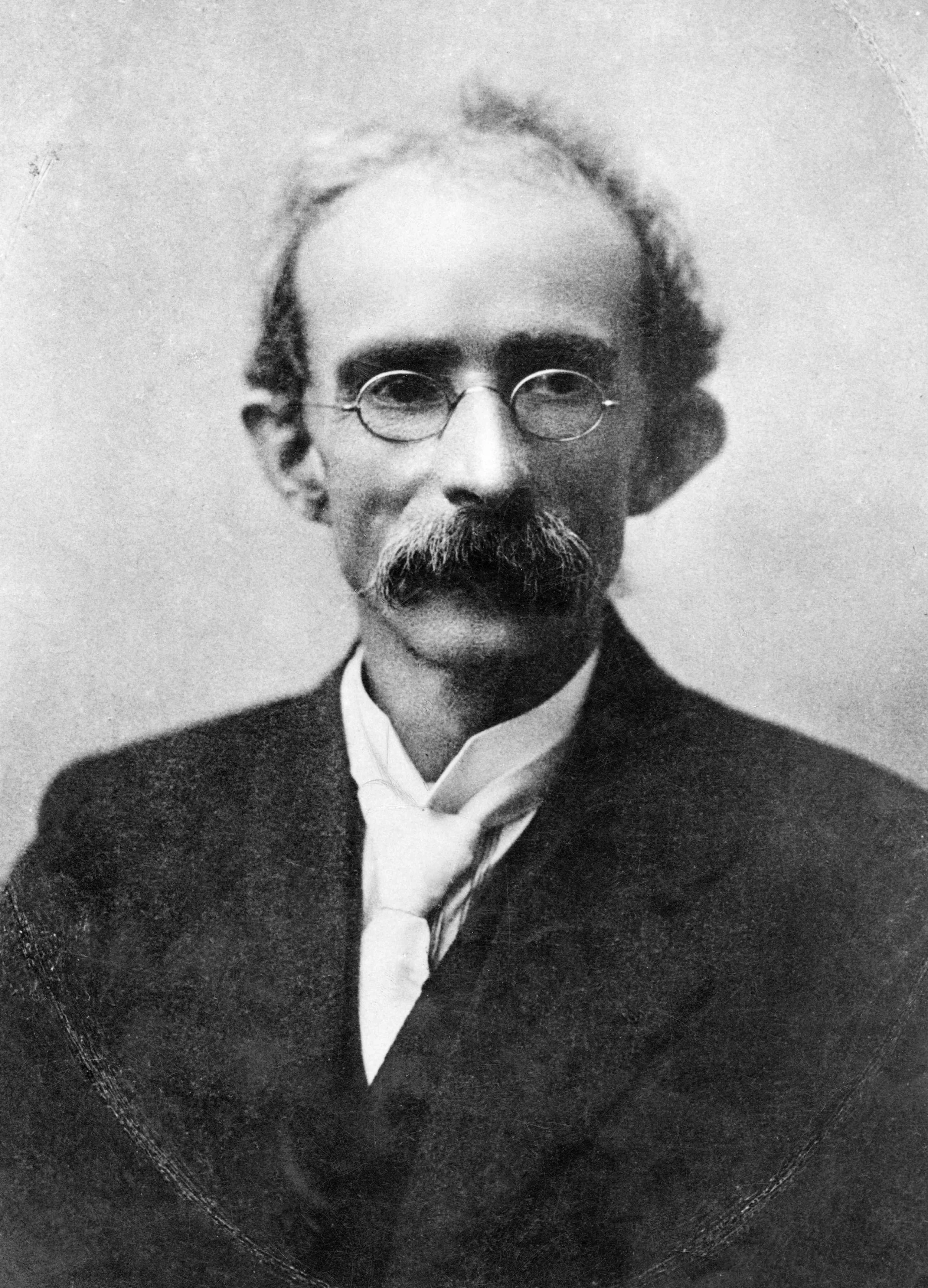
Tom Clarke (1858-1916)
A veteran Fenian and one of the central architects of the Easter Rising. Having endured fifteen years in British prisons, he returned to Ireland with his commitment to the Republic unbroken. As a leading figure in the Irish Republican Brotherhood, he helped prepare the rising that would reassert Ireland’s right to independence. His name stood first among the signatories of the Proclamation and his execution in 1916 sealed a lifetime of sacrifice and fidelity to the Republican cause.